Flag Picks Selection Tips: How to Prevent Collapse in High-Humidity? A Deep Dive into Paper Grammage and Waterproofing
In low-temperature and high-humidity scenes such as convenience store refrigerators and bakery cold display cabinets, pick flags serve as small carriers for labeling flavors and showcasing brands, and are prone to problems like collapse, curling, and ink smudging. The essence of pick flags deformation in refrigerators is the hygroexpansion of paper fibers. Due to the high anisotropy of ordinary paper, when the environmental humidity fluctuates, the expansion and contraction rates of fibers in the longitudinal and transverse directions are inconsistent, leading to internal stress imbalance, which ultimately manifests as curling or collapse. According to laboratory measurements, the hygroexpansion rate of uncoated 100g/m² coated paper in an 88% RH environment is more than 300% higher than that in a normal temperature environment.
These seemingly minor deformities directly reduce the display quality of products and even make customers question the quality control of the items. Many purchasers only focus on paper weight when choosing materials for pick flags, but ignore the humidity adaptability and process support, leading to various deformations after batch use, which not only increases replacement costs but also affects brand reputation.
Underlying Logic and Material Science Analysis of Pick Flags Deformation in Refrigerated High-Humidity Environments
A constant temperature of around 4℃ and air humidity above 88% in refrigerators continuously produce condensed water attached to packaging and surfaces. As a porous fiber material, paper quickly absorbs moisture from the air through its fiber gaps, causing fiber expansion and loose structure — this process is the intuitive embodiment of pick flag hygroexpansion.
Forfood-grade pick flags, deformation is not just an aesthetic issue, but also hides potential food safety hazards. If ink smudges or migrates due to humidity, pigment particles may come into contact with food, violating food contact safety standards. Whether for sandwiches, sushi, desserts, or prepared cold foods, the matched refrigerator-specific pick flags need to stay stiff in high-humidity environments to fully convey brand information. Ordinary paper without moisture-proof treatment will not only curl and collapse after water penetration but also become soft and stick to the packaging, which is why pick flags that are intact at room temperature lose their original shape just a few hours after being placed in a refrigerated environment.
48-Hour Test Comparison of Pick Flags Made of Cardboard with Different Grammages (Including Professional Parameters)
We simulated the standard refrigerated cabinet environment of supermarkets (temperature 4℃, humidity 88%), and conducted continuous tests on pick flags made of cardboard with common grammages. We focused on monitoring core indicators such as curling angle and support status, and referred to Water Vapor Transmission Rate (WVTR) data to provide accurate material selection references for purchasers. The specific test results are shown in the table below:
Material Specification
Coating/Process
24h Curling Angle (θ)
48h Support Status
Water Vapor Transmission Rate (WVTR)
Recommended Application Scenarios
80-100g Coated Paper
Uncoated
>90°
Completely collapsed, sticking to packaging
≥120g/(m²·24h)
Freshly made and sold (room temperature)
150g White Cardboard
Water-based Moisture-proof Coating
30° – 45°
Moderately soft, logo barely recognizable
50-80g/(m²·24h)
Convenience store daily fresh food
180g Single-Sided Laminated
PE Lamination (15μm)
<15°
Stiff and visible, no obvious deformation
15-30g/(m²·24h)
Chilled meat/sushi
200g+ Double-Sided Laminated
Double-Sided PET/OPP
0° (no deformation)
Extremely stiff, consistent with initial state
<10g/(m²·24h)
Long-term cold chain display
It is clear from the test data that cardboard weight does affect the deformation resistance of pick flags, but simply increasing the weight cannot completely solve the problem of high humidity — high-weight cardboard without waterproof treatment will still curl due to hygroexpansion in a long-term refrigerated environment. The coating process and Water Vapor Transmission Rate (WVTR) are the core factors determining the high-humidity stability of pick flags.
Core Processes Determining the Performance of High-Humidity Anti-Curling Pick Flags
To keep pick flags stable in refrigerated environments, process treatment is the key to determining the final effect besides weight selection. These details are also the core difference between professional customized products and ordinary mass-produced ones, among which the matching of cutting direction and MD/CD modulus is particularly important.
A: The core is to solve the problems of pick flag hygroexpansion and cutting direction. It is recommended to use 180g or more laminated cardboard, combined with MD cutting process and waterproof coating, and seal the edges at the same time, which can effectively avoid curling; if the budget is limited, you can also choose 150g white cardboard with water-based moisture-proof coating, which can basically meet the needs of convenience store daily fresh food. Gorlando can provide customized solutions according to specific usage scenarios to completely solve the curling problem.
Q: How to judge whether the pick flag uses food-grade PE film or ordinary plastic?
A: It can be judged by three simple methods: first, check the material test report, food-grade PE film will have clear food contact safety certification; second, smell the odor, food-grade PE film has no odor, while ordinary plastic has a pungent odor; third, feel the texture, food-grade PE film is soft and tough, while ordinary plastic is brittle and easy to break. The PE film used in pick flags produced by Gorlando is all food-grade, and a complete test report can be provided to ensure safety and compliance.
Q: Why do paper flags above 200 grams still soften in the refrigerator?
A: The core reason is that the edges are not sealed or CD cutting is used. Water vapor penetrates from the side, causing the paper fibers to hygroexpand and then soften. Even high-weight cardboard above 200g will still deform if the edge sealing treatment is not done well or the cutting direction is wrong. The refrigerated-grade pick flags of Gorlando all adopt MD cutting + full edge sealing process, combined with high-specification lamination, ensuring that 200g+ cardboard always remains stiff in the refrigerator.
Choose Gorlando for Professional Pick Flags Customization
As a brand focusing on the customization of disposable tableware and logo products, Gorlando has been engaged in the production of pick flags for many years, and is well versed in material needs and process points in different scenarios. Especially in the research and development of pick flags for refrigerated high-humidity environments, combined with professional knowledge such as hygroexpansion coefficient and MD/CD modulus, we optimize the production process to solve the core pain points of purchasers.
According to the customer’s refrigerated display needs and budget range, we can provide one-stop services from design and proofing to batch production. Whether it is high-humidity anti-curling pick flags, food-grade pick flags,MD cutting pick flags or custom pattern pick flags, we can accurately match the usage scenarios, strictly control problems such as ink migration and curling collapse, and let small pick flags always stay stiff in refrigerated high-humidity environments, becoming a high-quality carrier for brand display.
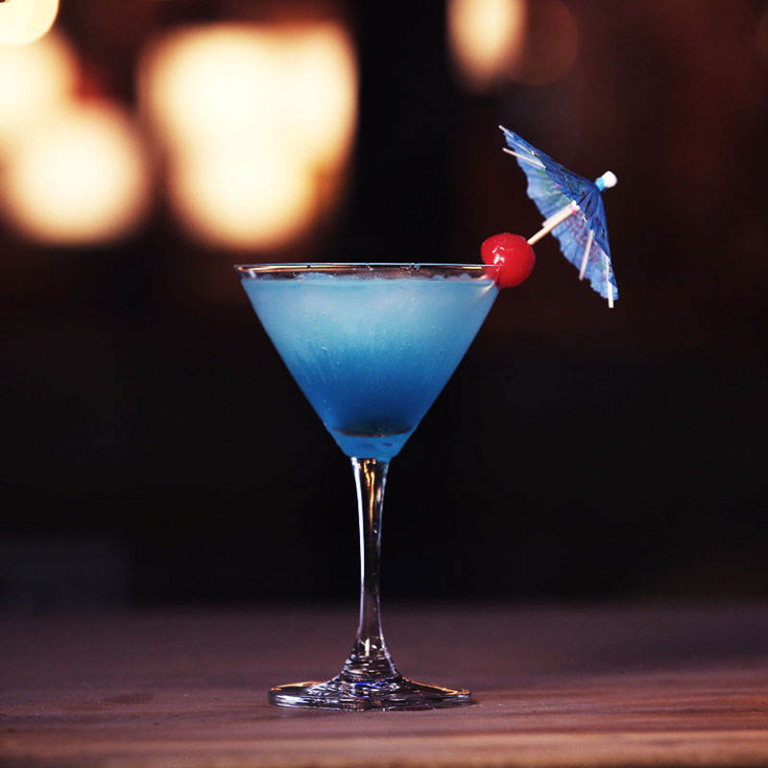
Beaded Picks are often treated as minor bar smallwares, yet a single poorly engineered skewer can destroy a $18 craft cocktail during a busy weekend service rush. When a heavy blue-cheese stuffed ...
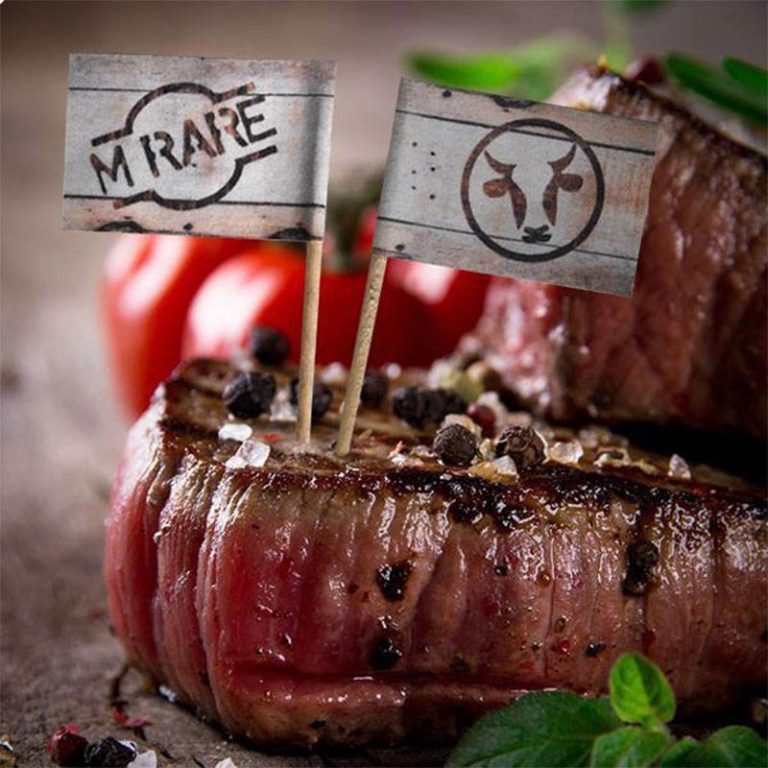
In a high-volume steakhouse selling tens of thousands of premium cuts each year, the most painful financial bleed happens at the dish pit: returned dry-aged ribeyes and Wagyu strip loins.
W...
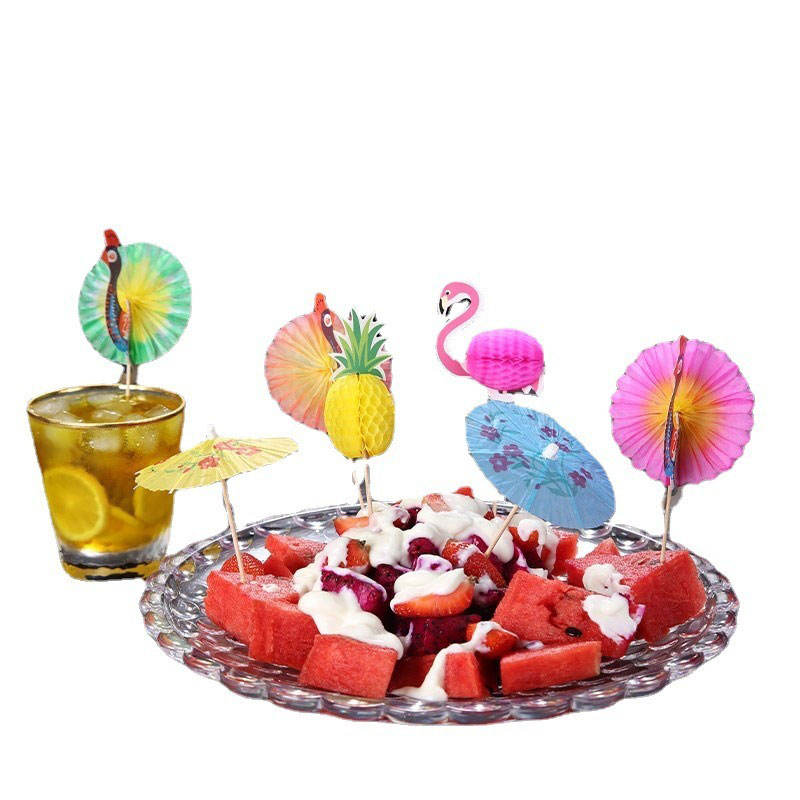
A delicate banquet can never be achieved without detailed embellishments, and Party Picks have long moved beyond the single function of fixing food ingredients, becoming core accessories for b...


 Español
 Français
 Deutsch
 Português
 Русский
 العربية
 简体中文
简体中文 Italiano
 日本語
日本語 한국어
한국어 Türkçe
 Tiếng Việt
 ไทย
ไทย Indonesia
 Melayu